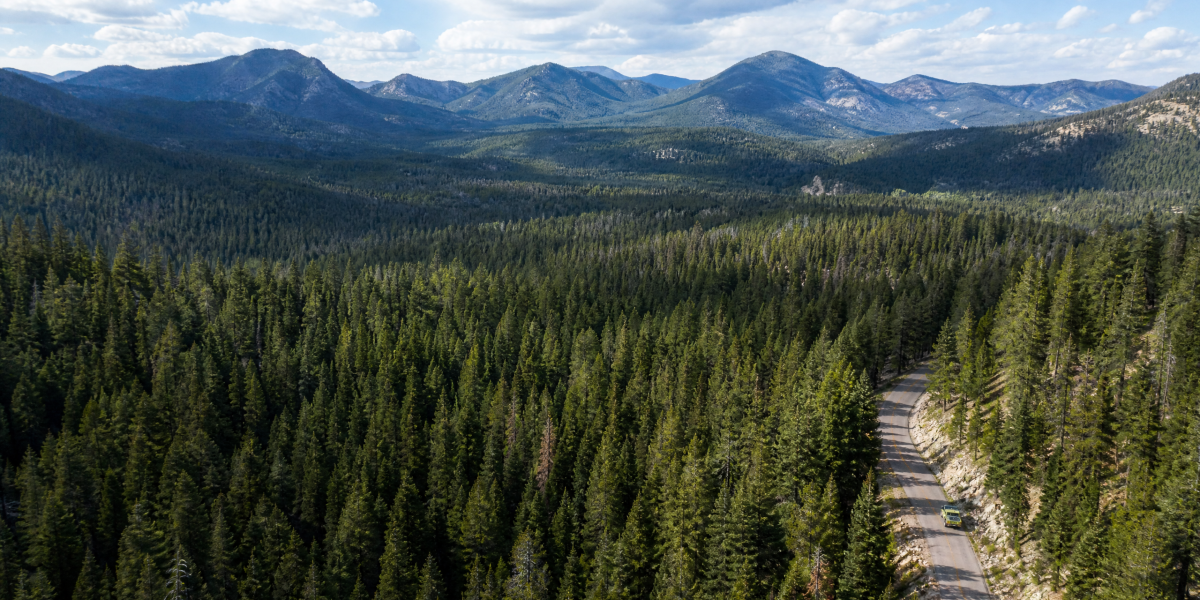
The U.S. Department of Agriculture says the Forest Service has filed a proposed rule to rescind the 2001 Roadless Area Conservation Rule, opening a new public-comment process over how millions of acres of inventoried roadless areas in national forests could be managed. The announcement is a proposal, not an immediate order to build roads, cut timber or change an individual forest plan.
USDA announced the action Aug. 18, arguing that the national rule has limited local managers’ ability to address wildfire risk and forest-health conditions. The agency says the 2001 rule restricted road construction and limited some management activity in inventoried roadless areas for 25 years.
What is in the proposal
According to the USDA announcement, the proposed rescission would remove the nationwide designation framework created by the 2001 rule and move future roadless-area decisions into forest-level land-management planning. The department says that approach would allow decisions to reflect local resource conditions and needs while using existing laws, regulations and policy.
The agency says more than 44 million acres of the 193-million-acre National Forest System are covered by the current national rule. It also says more than 95% of inventoried roadless areas are in Alaska, Arizona, California, Montana, Nevada, New Mexico, Oregon, Utah, Washington and Wyoming.
USDA emphasized that the proposal would not itself require timber harvesting or road construction. It would remove the national rule’s restrictions and leave subsequent management choices to the planning process for individual forests. National forests in Colorado and Idaho would not be covered by this proposed action because those states have separate roadless-area regulations, according to the department.
Wildfire risk and local planning claims
The department argues that current restrictions can make wildfire-risk reduction and other active-management work harder in some places. USDA said more than 40% of inventoried roadless areas have high or very high wildfire-hazard potential, and that only 5% have received hazardous-fuels reduction treatments since 2014. It also said 11.3 million acres are already near existing roads.
Those are the administration’s stated reasons for the proposal. The draft environmental impact statement and public-comment process are designed to collect input on the rulemaking and its potential effects. The proposal is therefore distinct from a completed policy change: the public can still comment, and the agency must complete its rulemaking process before any final rescission could take effect.
How the public can respond
USDA said it will seek comment on both the proposed rule and the draft environmental impact statement. Public comments are due by midnight Sept. 21 through Regulations.gov. People affected by forest access, wildfire planning, conservation, recreation, watersheds, rural economies or tribal and state coordination may wish to review the documents before submitting comments.
The dispute will likely center on a practical question with broad consequences: whether a nationwide protection framework or forest-by-forest decision-making better addresses different landscapes and communities. The department’s release takes a clear policy position; the comment period is the formal opportunity for competing evidence and views to enter the record.
What remains unchanged while comments are open
For now, the existing framework remains in place while the agency considers comments and completes the required rulemaking steps. The Forest Service’s draft environmental impact statement is part of that process. A proposed rescission can draw support from people focused on wildfire mitigation or local flexibility, while others may raise questions about habitat, watersheds, recreation and the consequences of changing a national baseline.
The formal record matters because the proposal addresses areas spread across multiple states with different forest conditions and community priorities. Readers should check the actual proposal and its environmental materials rather than relying on a single characterization of what a future forest-level decision may allow.
Written comments also allow people to identify a particular forest, watershed or community concern that they believe should be considered in the final record. The process is not a vote, but comments can provide facts, analysis and local experience for the agency to evaluate alongside the draft environmental material.
Follow more World News and policy coverage from NY Breaking News. The agency’s official announcement links to the planned comment process and Roadless Areas information.