The first time I visited JapanI followed the so-called Golden Route and visited three major tourist spots: Tokyo, Kyoto and Osaka.
I immediately understood why these three cities were so popular. They all had delicious food, beautiful temples and seemingly endless things to see and do.
However, since moving here last year, I’ve been trying to go beyond the usual stops, hoping to see a different side of Japan.
There are four day trips – all within an hour or two of Japan largest cities – which I would really recommend.
Saitama felt more relaxed than Tokyo, but just as interesting to explore
I loved visiting historical sites like Kawagoe Castle. tang90246/Getty Images
Saitama made it easy to see a relaxed, everyday side of Japan, just outside Tokyo. While there I split my time between Omiya and Kawagoe, both of which were worth a visit.
Known as ‘Little Edo’, Kawagoe is known for its historic buildings, which are now home to shops, sweets and slower sights. I browsed malls, vintage stores (including BIG TIME), and hobby stores with cool anime merchandise.
In Kawagoe Old Town, many vendors sell Japanese sweet potato, a local specialty. I tried some homemade sweet potato chips with flavored butter dips, which made for a delicious, crunchy snack.
I also visited Toki no Kane Clock Tower, Kawagoe Castle and Kawagoe Hikawa Shrine. Behind the shrine lies the Shingashi River, lined with cherry blossom trees which bloomed in the spring.
Before heading home, I grabbed ramen in Omiya and browsed Book Off Super Bazaar, a huge thrift store full of clothes, homewares, games and luxury items. I found that combining Kawagoe with Omiya made the day perfect.
I found Kobe to be an easy, walkable day trip
Kobe had great food, shopping on the water and mountain views. Alessa Hickman
Less than an hour by train from Osaka, Kobe is one of my favorite Japanese cities.
Taking the cable car up Mount Rokko to the Nunobiki herb gardens was unforgettable: the 10-minute cable car ride offered beautiful views of Kobe, the sea and the surrounding mountains.
At the top I explored various viewpoints and gardens before walking into town. Along the way I stopped in the greenhouse full of tropical plants and relaxed in the hammocks overlooking the landscape.
Back in the city, I visited the historic Ikuta Shrine before heading to Kobe’s Chinatown. The streets were full of people and food vendors selling everything from pork buns and beef skewers to incredible ramen.
Kobe is one must stop for foodiesand I’m already planning another trip just to eat there again.
I ended the evening around the Kobe Port Tower and Harborland, where the waterfront shopping and entertainment areas glow beautifully in the dark.
Nara was my first day trip in Japan – and I would still recommend it
I loved feeding the deer in Nara. Alessa Hickman
I have happily returned to Nara several times. It’s about a 45-minute train ride from Osaka or Kyoto, making it a fairly quick journey.
As you step out of Kintetsu-Nara station, you will be surrounded by busy shops and restaurants. Walk along Higashimuki Shopping Street to reach Nakatanidou, a famous mochi shop known for its live mochi banging.
From there the city opens up into Nara Park, where deer roam freely through the streets and temple grounds. At one point, a deer even stood next to me at the crosswalk, waiting as if she knew exactly when to cross the street.
Several vendors sell crackers for the deer, but you’ll quickly learn to put them away right away: the deer always know who has snacks. However, watching the animals bow before feeding them is a classic experience, and it’s super fun to see them with your own eyes.
The park has gardens, ponds, museums, walking trails and temples, including the iconic Todai-ji Temple. Although the main areas can be busy, a further walk through the park leads to quiet spots, tucked away from the crowds.
Wakayama had great windows and a cool, historic castle
Wakayama had a quieter atmosphere than some other towns I’ve visited. Alessa Hickman
Wakayama was my furthest day trip; it took me about 90 minutes to get there from Osaka. The train ride was beautiful and the city has a quiet, residential atmosphere.
I found Wakayama to be more spread out than cities like Nara and Kobe, so while I managed to walk everywhere, some visitors might prefer to take the bus for longer distances. With proper planning, I think Wakayama is completely doable in one day.
I started at the free Fusion Museum, dedicated to knitting heritage and technology. For a small fee, visitors can design souvenirs using bicycle-powered knitting machines.
I learned the hard way that places fill up quickly, so even though it was fun wandering through the exhibits, make sure you arrive early if you want to make your own.
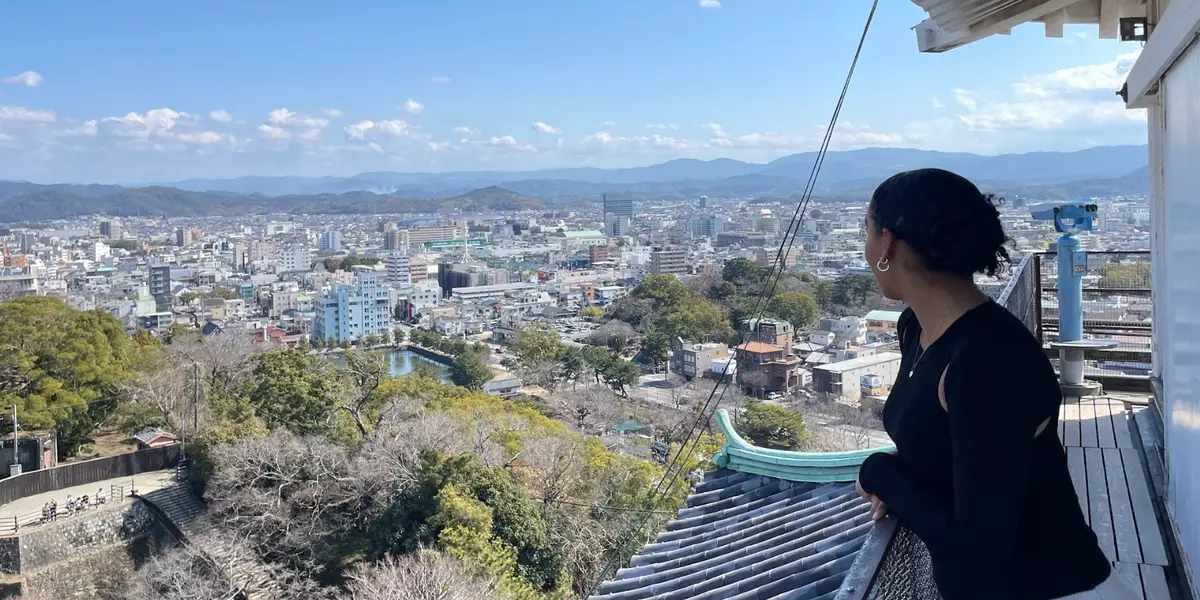
Wakayama Castle was another highlight of my trip. The grounds include gardens, ponds and seasonal trees, and inside exhibits display historical artifacts. From the castle tower you have a 360 degree view of the city, the mountains and the ocean. It was easy my favorite view in Japan so far.
After exploring, I stopped for ramen at the castle branch of Ramen Bakumatsu and enjoyed one of the best bowls I’ve had since moving here.
Later I went to Wakayama Marina City, a holiday island in Wakaura Bay. While there, I stopped by Kuroshio Market, which is known for its fresh seafood.
The long walk along the coastline, passing quiet parks and shrines, was as memorable as the destination itself.
This story was originally published on March 20, 2026 and last updated on August 17, 2026.