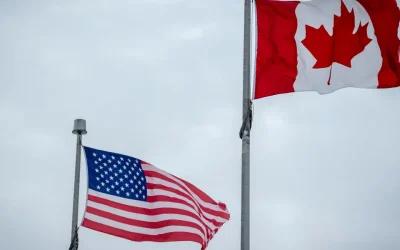
What started as a high-profile retaliatory tactic against tariffs has become a sticking point in the Trade war between the US and Canada – and neither side is backing down.
The drinking battle began last year after President Donald Trump imposed broad 25% tariffs on Canadian goods. Canada responded with its own retaliatory 25% tariffs on alcohol, among other things. The provinces of the country went further, Taking American alcohol off the shelves and ceasing new purchases or distribution.
A year and a half later, American alcohol remains locked out of much of Canada. The boycott was so effective that Trump cited it as a driving force behind his latest tariffs, including a 50% tariff on alcohol from Canada that went into effect Saturday after talks between the two countries collapsed.
While there is a lot of finger-pointing about who started what, alcohol industries on both sides of the border say they are losing.
“Our industry is really just an unfortunate victim,” said Chris Swonger, CEO of the Distilled Spirits Council of the United States. “It has been devastating to the American industry over the last year and a half, and it will be significantly devastating to the Canadian spirits industry, but it will trickle down and have an impact from bartenders to our distribution partners, from retailers to the American hospitality economy.”
Alcohol represents only a small portion of the hundreds of billions of dollars in goods traded between the U.S. and Canada, but the trade war’s impact on the industry has been particularly severe and visible, due in part to the outright bans and the direct impact on beloved alcohol brands.
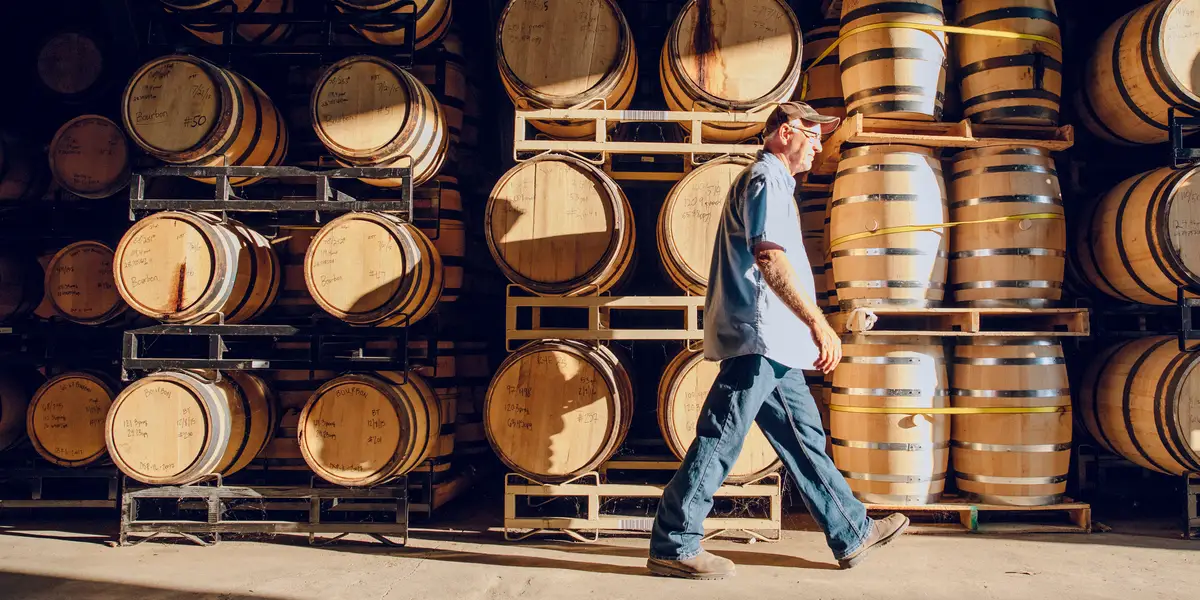
For alcohol producers, the industry is also an unusual target for a trade war that is partly aimed at bringing production back to the US. Unlike other goods, alcohol is often valued specifically because of its country of origin. You can’t make Canadian whiskey in the US.
“An American consumer might like Canadian whisky, and someone else might like tequila,” Swonger said.
US and Canadian industries are calling for an end to alcohol bans and tariffs
Canadian provinces, which control alcohol imports, imposed a ban on U.S. alcohol around March 2025, the same month Canada imposed its retaliatory tariffs. Although these tariffs were lifted in September 2025, most provincial-level bans remained in place.
Some provinces began to allow this existing US stock sold, but continued to ban new imports. Eight of the 10 provinces still have some restrictions in place, with Alberta and Saskatchewan as exceptions.
The bans proved to be one of the most notable results of the trade war. They were also effective at inflicting economic pain: U.S. alcohol imports to Canada fell 81% from March 2025 through February 2026, from about $718 million to $137 million, compared with the previous year, the White House said. By comparison, total U.S. exports to Canada fell 4.8% in 2025.
American alcohol manufacturers felt they were unfairly targeted. Lawson Whiting, CEO of Brown-Forman, the parent company of Jack Danielssaid last year that the bans were a “disproportionate” response to the tariffs. During an earnings call in June, the company said organic sales in Canada fell nearly 60% in fiscal 2026 as its products were off shelves in most Canadian provinces.
Canadian provinces will ban American alcohol in early 2025. Most of those restrictions are still in effect. VCG/VCG via Getty Images
Now Canadian makers, who are much more dependent on the American market than their American counterparts are on the Canadian market, are facing Trump’s new 50% tariffs, which he said were a direct response to “Canadian discrimination” against American liquor.
The tariffs affect spirits, wine and beer, with the most popular Canadian liquor exports being to the US Canadian whisky. Popular brands like Crown Royal, Canadian Club and Fireball – the latter of which is made in America with imported Canadian whiskey – could be affected.
“Both the Canadian and U.S. beverage industries have felt significant impacts from this broader trade conflict,” Cal Bricker, president and CEO of Spirits Canada, said in a statement in July.
Canadian spirits makers are more dependent on exports to the US than American makers are on exports to Canada. Before the bans, Canada accounted for about 10% of U.S. spirits exports. But according to Spirits Canada, 93% of all Canadian spirits exports, by value, went to the US. Of all spirits produced in Canada, nearly 50% are dependent on U.S. demand, the group says.
The ban on American alcohol also didn’t necessarily translate into an increase in sales for Canadian creators. After the ban, overall spirits sales in Canada fell by about 4.4% by volume, while sales volumes of Canadian-made spirits remained essentially flat, according to Spirits Canada.
The alcohol ban was an important part of the failed negotiations
The provincial bans became a major talking point last week as Canadian and U.S. officials tried to strike a deal to avoid new tariffs.
Swonger said the alcohol industry believes it has unfairly become a “leverage point in broader trade negotiations.” He said that while distillers appreciated Trump’s efforts to prioritize the U.S. alcohol industry in starting negotiations, they also wanted to avoid the new 50% tariffs and instead have the bans lifted.
asked Prime Minister Mark Carney Canadian provinces to put American alcohol back on shelves last week when the countries struck a deal. Officials in two provinces, Nova Scotia and Newfoundland, indicated they were willing to lift bans on American alcohol if a broader deal was reached.
Newfoundland said Thursday it would resume ordering U.S. products, but changed course days later after trade talks collapsed.
Canadian creators have also told Canadian provincial governments that policies designed to punish America are putting them at risk, too.
“While intended in response to broader trade tensions, these measures have now become the basis for direct U.S. retaliation against Canadian spirits exports,” Spirits Canada said in July, encouraging the federal and provincial governments to work together to prevent U.S. retaliation.
Now trade associations in Canada and the US are pursuing the same goal: to end the mini-trade war over alcohol.
“We like to compete based on sip and taste,” Swonger said. “Not because of trade barriers.”