Pesky bed bugs can not only cause nagging itching, but can also spread deadly bacteria that bypass common treatments.
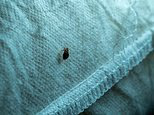
The small reddish-brown insects are the size of an apple seed and hide between the seams of mattresses and in the cracks of wooden bed frames. waiting to feed on the blood of sleeping people.
The insects pierce the skin and leave itchy red welts, which can cause allergic reactions.
They are not thought to spread disease from person to person, but researchers now fear they could transmit antibiotic-resistant bacteria.
In a resurfaced study, the University of South Dakota Researchers exposed bed bugs to artificial skin contaminated with Methicillin-resistant Staphylococcus aureus, better known as MRSA.
Although MRSA is generally harmless to the skin and leads to red and swollen boils, if MRSA enters the bloodstream through an open wound it can lead to multi-organ failure and kills about one in five patients.
And because MRSA does not respond to common antibiotics such as methicillin and penicillin, treatment is limited to medications that carry a higher risk of side effects and take longer to clear the infection.
The study found that bed bugs could contract MRSA from just one feeding and spread it to other people in subsequent feedings.
Bed bugs are about the size of an apple seed, lurk in mattresses and feed on human blood at night. Resurfaced research suggests they can also spread MRSA bacteria
Author of the 2023 study Jose Pietri, who now works at Purdue University, emphasized that more research is needed to confirm whether bed bugs can actually spread MRSA to people, but noted that “it changes the perspective of what bed bugs do, in terms of public health.”
Experts believe that bed bugs originated in caves more than 245,000 years ago and lived on bats’ blood before eventually crossing over to humans. Ancient documents record their presence in Egypt and Greece, and European settlers brought them across the Atlantic to the American colonies in the 17th and 18th centuries.
They have since been found in all fifty states and thrive primarily in hotels and apartments with heavy tourism and foot traffic.
The University of South Dakota research comes at a time when bed bug infestations are on the rise in the US. Experts estimate that the bed bug population has increased fivefold in the past decade, with major urban areas bearing the brunt.
Recent data from pest control company Orkin shows that Chicago is America’s most bedbug-infested city for the fifth year in a row, which experts blame on its dense population, heavy tourist traffic and abundance of multi-unit buildings.
Other major cities such as Los Angeles, Detroit, Cleveland and Indianapolis rounded out the top five.
“Bed bugs are resilient pests that can be difficult to control once introduced into a home or hotel room, and they are adept at hiding in cracks, crevices and personal belongings,” said Dr. Shannon Sked, Orkin entomologist and national technical director.
“A quick inspection of hotels or short-term rentals while traveling, or belongings before unpacking at home, can help travelers reduce the chance of bringing bed bugs home.”
While the findings about bed bugs and MRSA have raised concerns, experts also believe there is not yet clear evidence that the insects can spread other diseases from person to person due to their anatomy and digestive system.
Because bed bugs are so small, it can be difficult to determine if there is an infestation in your bed.
Subtle clues include small blood spots on pillowcases and sheets, small black specks from the insects’ feces, a lingering musty odor, and small pale yellow or pearly white oval eggs, which are typically about one millimeter in size.
To prevent this in the first place, experts urge checking suitcases for signs of bed bugs when coming home from a hotel and avoiding placing luggage near or on the bed. The laundry must be washed immediately after returning home.
If you are faced with an infestation, Pietri suggests hiring professional exterminators who can spray insecticides, although this can cost hundreds to thousands of dollars.
Microscopic crystal spray called silica dust can also kill bed bugs by absorbing moisture from their bodies.
Join the discussion
Should hotels and landlords be held responsible for protecting people from the health risks of bed bugs?