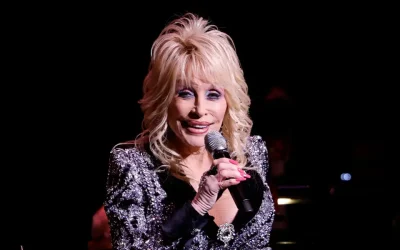
A majority of Americans hear themselves in this Dolly Partons “9 to 5.”
Sixty percent of Americans identify as working class, according to a Pew Research analysis of a January 2026 survey. That’s up from 54% in 2024.
And the label, which has traditionally been applied to lower-income workers, resonates across all income levels. Middle-income families, who earn between $51,900 and $155,600 depending on family size and location, primarily identify with the term “working class.” More surprising is that half of high-income families earning more than $155,600 identify that way.
This could be because the term itself is ambiguous: as the analysis shows, there is no single clear definition of the working class. Some equate the working class with lower earners, while others see them as workers without a bachelor’s degree, or those explicitly employed in blue-collar industries such as construction and agriculture.
Pew’s findings come as Americans with middle incomes or who are financially comfortable do not feel prosperous, even though their wages have increased. The average weekly income increased by 8.4% compared to the first quarter from 2024 through the first quarter of 2026, surpassing price inflation of 5.5% during that period.
The middle third of income earners used to feel the same way about their savings and spending as upper income earners. These two groups have grown increasingly apart, with sentiment among middle earners increasingly aligned with the lowest earners. This is also reflected in the way they spend: Morning Consult discovered this in 2024 middle-income consumers spent more than their lower-income counterparts. The increased identification with the working class is also consistent with a shrinking middle class, which has fallen from 61% of the population in 1971 to 51% in 2023.
Part of the growing disconnect could be that due to inflation. High prices generally make people feel bad about their economic prospects, and in recent months it has Inflation has outpaced wage growth. Financial stress is also linked to identifying as working class. Yet half of those who reported a basic level of financial comfort – bills paid, expenses incurred, months of emergency savings – identified with the term working class.
Your political leanings can also play a role in working-class identification, especially as the affordability message takes center stage in America. Steven Shepard, deputy director of political research at Pew and one of the report’s authors, said, “If you equate most of these other things, Republicans are probably more likely to say that term describes them than Democrats are.” Higher-income Republicans are much more likely to consider themselves working class than their Democratic counterparts.
On the other side of the political spectrum, progressive politicians have joined this newly expanded working class. New York Mayor Zohran Mamdani campaigned an affordability platform intended to ease costs for the working class, he said The New York Times is the ‘one majority in this country’.
“If you have to work to pay your bills, I think that’s a definition of being part of the working class,” Mamdani said.