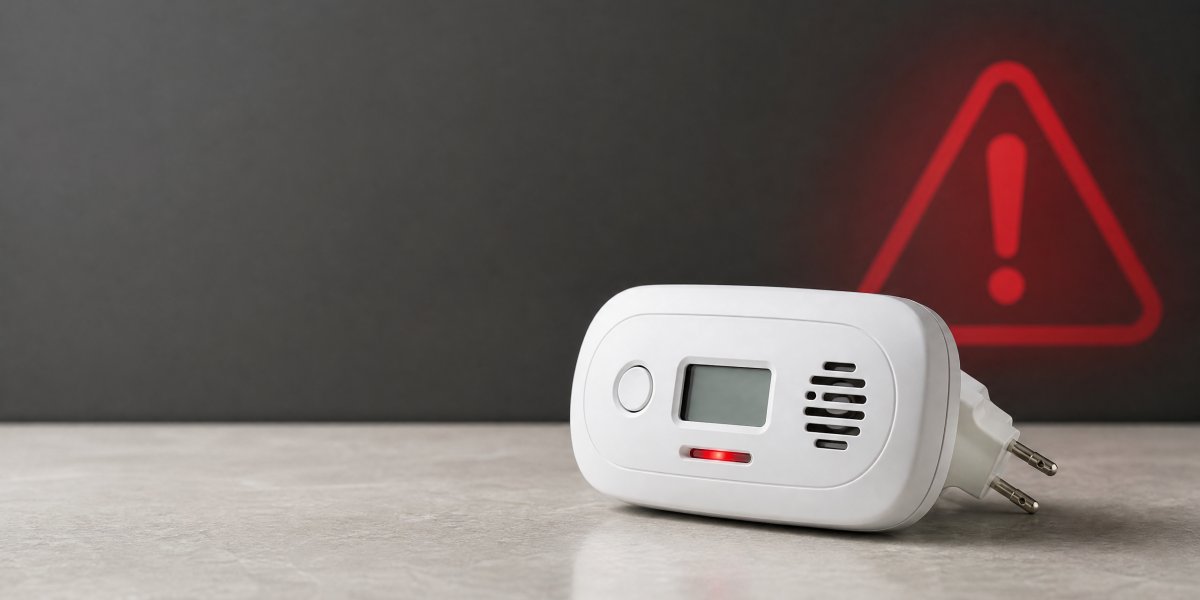
CPSC Warns Consumers to Stop Using Certain Plug-In Carbon Monoxide Detectors
The U.S. Consumer Product Safety Commission (CPSC) on Aug. 20, 2026, issued a public warning about a specific plug-in natural gas and carbon monoxide detector, identified as Model KH158, and instructed consumers to stop using the device and to dispose of it immediately. The agency said the unit can fail to alarm in the presence of natural gas and/or carbon monoxide leaks and advised consumers not to buy or sell the affected products. The CPSC posted its advisory online: https://www.cpsc.gov/Warnings/2026/CPSC-Warns-Consumers-to-Stop-Using-4-in-1-Plug-In-Natural-Gas-and-Carbon-Monoxide-Detectors-Immediately-Due-to-Failure-to-Alert-Consumers-to-Deadly-Carbon-Monoxide
Scope of the warning
The warning applies specifically to Model KH158, described by the CPSC as a 4-in-1 plug-in natural gas and carbon monoxide detector. The agency’s direction that consumers should stop using and immediately dispose of the units and refrain from buying or selling them reflects the CPSC’s determination that the devices present an immediate safety concern because they can fail to alert users to natural gas and/or carbon monoxide. The advisory is limited to the units identified by the model number and the range of brand names the agency listed.
Brands and product listing
The CPSC said Model KH158 was sold under multiple brand names. The list provided by the agency includes ARIKON, ELECOIN, FLUNGSKY, HAOKESITE, Hembisen, JNHCD, KAKIMENT, KH Alert, KOABBIT, NICGOL, NORJAN, OUMEBIU, Sooguard, Vilfet, Vzmcov, WESHLGD and XLA Alert. The warning is directed at consumers who own units bearing that model number, regardless of the brand name under which the product was marketed.
How widely the product was sold
The CPSC reported that about 376,974 units of Model KH158 were sold online between June 2024 and July 2026. Listed sellers included online marketplaces and retailers such as Amazon, eBay, AliExpress, microcenter.com and snapklik.com. The agency reported the product’s retail price range as between $13 and $140.
Reports of failures and recall status
The agency said it has received 91 reports that the Model KH158 failed to alarm in the presence of natural gas and/or carbon monoxide. The CPSC also noted that, as of the date of the advisory, the manufacturer has not agreed to a recall. The warning therefore conveys the CPSC’s present determination about immediate safety risks while indicating that no manufacturer-led recall action has been agreed to at this time.
What the advisory says about detection standards and placement
Alongside the specific direction about Model KH158 units, the CPSC reiterated broader points about carbon monoxide detection that the agency included in the Aug. 20 advisory. The CPSC advised that households should have working detectors on each home level and outside sleeping areas, and it referenced the UL 2034 standard for carbon monoxide alarms. Those points were presented by the agency as part of the advisory accompanying the warning about the affected model.
What the warning does and does not decide
The CPSC’s public warning is an official advisory that instructs consumers to stop using and dispose of the named product and to avoid purchasing or selling it. The CPSC’s statement documents the agency’s conclusion that the named units can fail to alert consumers to gas or carbon monoxide. The advisory also makes clear the current status of follow-up actions identified in the notice: the manufacturer has not agreed to a recall, meaning the CPSC warning does not reflect the existence of a manufacturer-organized recall at the time of the advisory.
Next steps for consumers
Consumers who own a Model KH158 unit or who are unsure whether a device in their home is the affected model were directed in the agency’s advisory to refer to the CPSC materials issued with the Aug. 20, 2026 warning for confirmation and official details. The CPSC notice is the authoritative public record of the advisory and contains the specific language and product identifiers the agency used in announcing the action.
For more local reporting on health and safety notices, see our site’s health coverage: descriptive category wording.