YouTube is the largest video platform in the world. Now it has discovered how to grow bigger.
Even better: Google’s video site is going to do this without spending a cent.
The way it counts is going to change.
That is the result of a new policy the company announced on Monday. The details won’t make much sense to you unless you’re a professional YouTube viewer, but the gist is YouTube is going to be more tolerant about the way it counts views – which means the number of views will increase.
Crucially, this won’t affect how YouTube counts views when it comes to things involving money: things like figuring out how it shares ad revenue with creators, or tallying how much attention an advertiser’s video has received. This change only affects “public views” – a purely cosmetic measure.
So why bother? YouTube says it is doing this on behalf of creators who complain that the old YouTube system causes “confusion.” But that doesn’t quite explain it.
A slightly more helpful answer is that other video platforms, like TikTok and Reels, already use a view counting system like the one YouTube is moving to, so this brings YouTube in sync with that.
But the most useful answer is that this will boost YouTube’s numbers. Same platform, bigger stats.
And for creators, that’s the single most important thing that YouTube always woos: it gives them the opportunity to tell a potential advertiser that a YouTube video that previously had 100,000 views now has, for example, 150,000 views.
Again, any remotely savvy advertiser knows that the video didn’t magically become more popular. But they’ll also know that YouTube counts views the same way TikTok does, so they no longer have to do extra math to understand a clip’s reach or a creator’s potential.
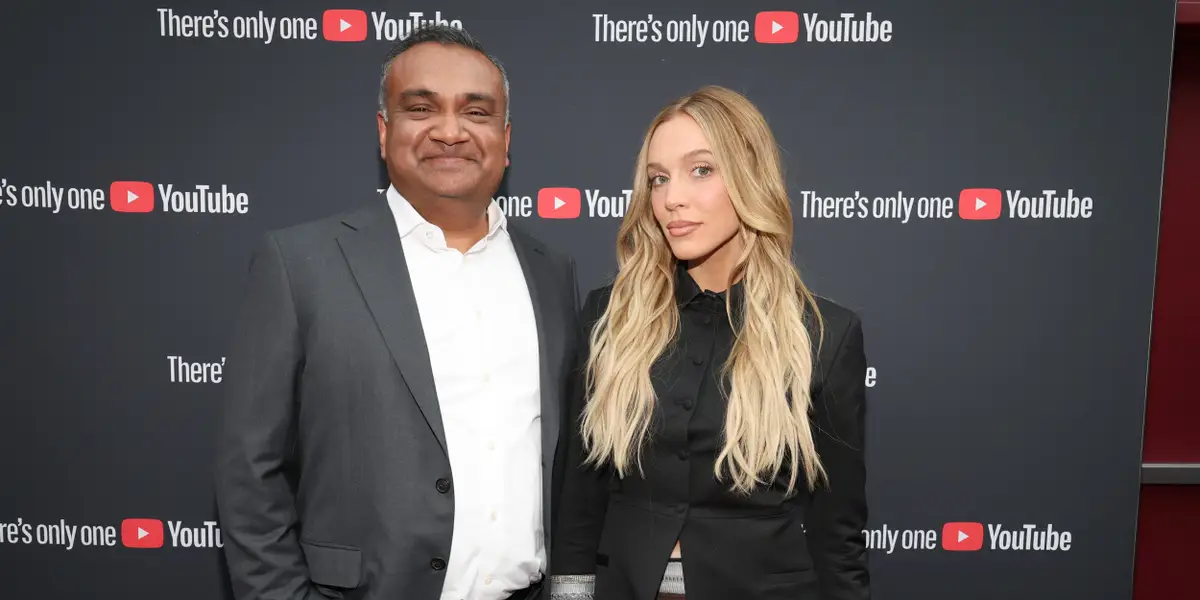
The change should help creators as they try to make “brand deals,” as Rene Ritchie, a creator who is now YouTube’s chief editorial officer, tells us. “It will give them a better idea of how many people they are reaching.”
Another bit of translation: I think this move is yet another acknowledgment from YouTube that it no longer owns video.
Of course, that has been clear for years. It was certainly clear when YouTube has rolled out Shorts, the TikTok clone — you only copy the competition if the competition works.
This message is a little more subtle: it tells creators “we know you work with other people, and that’s fine. Really! We just want to make sure you keep working with us. So maybe this will help.”
I also don’t think this is the most meaningful thing YouTube has told creators this month.
The fact that it will work it becomes more difficult for new creators to make money on YouTubeincreasing the barriers to participating in the main revenue sharing program is a pretty big deal. And one that directly impacts dollars for future potential YouTubers.
Monday’s news is for YouTubers who’ve already made it — and for YouTube’s own bragging rights.