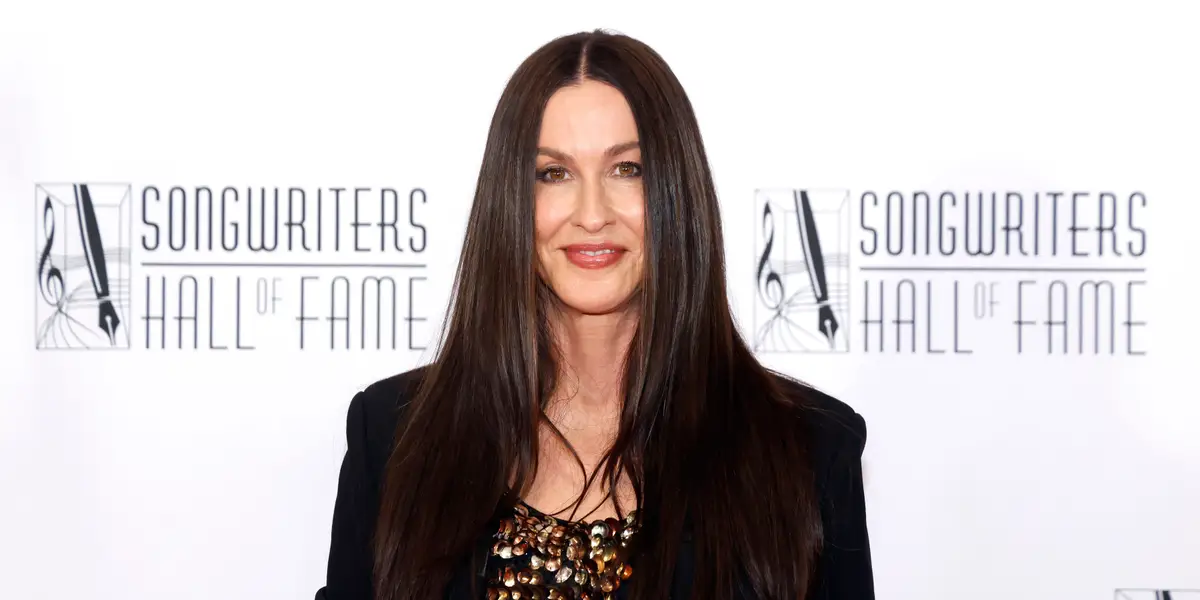
Alanis Morissette suffered “really, really bad” postpartum depression after all three of her pregnancies, which left her feeling “out of control,” she told the Call Her Daddy podcast on August 9.
“I actually became a different person. All of it hormones are all over the place,” Morissette said. “All I could imagine was death and terrible things,” she added.
The singer shares three children — Ever, 14, Onyx, 10, and Winter, 7 — with her husband, Mario “Souleye” Treadway. The couple has been married since 2010.
With every pregnancy she said her postpartum depression was “getting worse and worse,” but she learned to deal with it better over time. ‘Create community all around. And casseroles!’ Morissette said.
After her first pregnancy, Morissette didn’t tell anyone how she felt for a year and two months, she told the podcast. The second time it took her eight months to speak out, and the third time she waited just three days. “I just thought, ‘Oh no, I’m not doing this again,’” she said.
She first spoke publicly about her postpartum depression in 2017, when she was going through it for the second time, because she wanted to encourage other women to seek help. In the Call Her Daddy podcast In the episode, she explained that her phone then started “blowing up” with messages from people who had gone through similar experiences.
She described the reaction from other women as “amazing” because it made her feel more normal. “I started to realize I wasn’t alone,” Morissette said.
Postpartum depression is common and affects about one in eight mothers, according to the CDC. Common symptoms include crying more often than normal, being angry, distancing yourself from your baby, or doubting your ability to care for the baby.
Treatments, such as counseling and medication, can help reduce or eliminate symptoms completely. In addition to treatment, connecting with other mothers through support groups such as the Postpartum Support International (PSI) can make them feel less alone.
“This invisible charge thing, it won’t be invisible anymore. We make it visible,” Morissette said of the emotional burden on mothers.
This article is not a substitute for professional medical advice, diagnosis or treatment. Always consult your qualified physician or healthcare provider.