




Living alone was once considered rare or even lonely. But in 2025, it’s a rapidly growing lifestyle trend, especially in urban areas of the USA and Europe. From financial independence to digital connectivity, a variety of modern factors are fueling the solo living movement—and it’s reshaping how people live, work, and form relationships.
📌 Insight:
According to Statista, over 37 million Americans now live alone—a number that has steadily increased since 1960. In the EU, nearly one-third of all households are single-person, as per Eurostat.
Why Solo Living Is on the Rise
1. Increased Financial Independence
More people, especially women and younger professionals, now have the economic means to support themselves. Rising education levels and access to remote work have empowered individuals to make independent living choices.
“Solo living is no longer a compromise—it’s a conscious lifestyle decision,” says New York Times contributor and lifestyle analyst Maya Roberts.
2. Shift in Social Norms
Cultural attitudes toward marriage and cohabitation have shifted dramatically. Many Millennials and Gen Z are choosing to delay or avoid traditional relationships. Living alone allows full autonomy over routines, decisions, and even interior design.
3. The Growth of Remote Work
Remote and hybrid work models have allowed people to move to cities—or even rural towns—where they can afford solo apartments. The solo lifestyle is also attractive to digital nomads who prefer privacy and flexibility.
Emerging Trends Within Solo Living
Solo Travel and Dining
The stigma of eating or traveling alone is fading. In fact, there’s been a rise in restaurants and hotels offering tailored experiences for solo guests. Condé Nast Traveler reports a 45% increase in solo travel bookings post-2020.
Micro-Apartments and Co-Living Alternatives
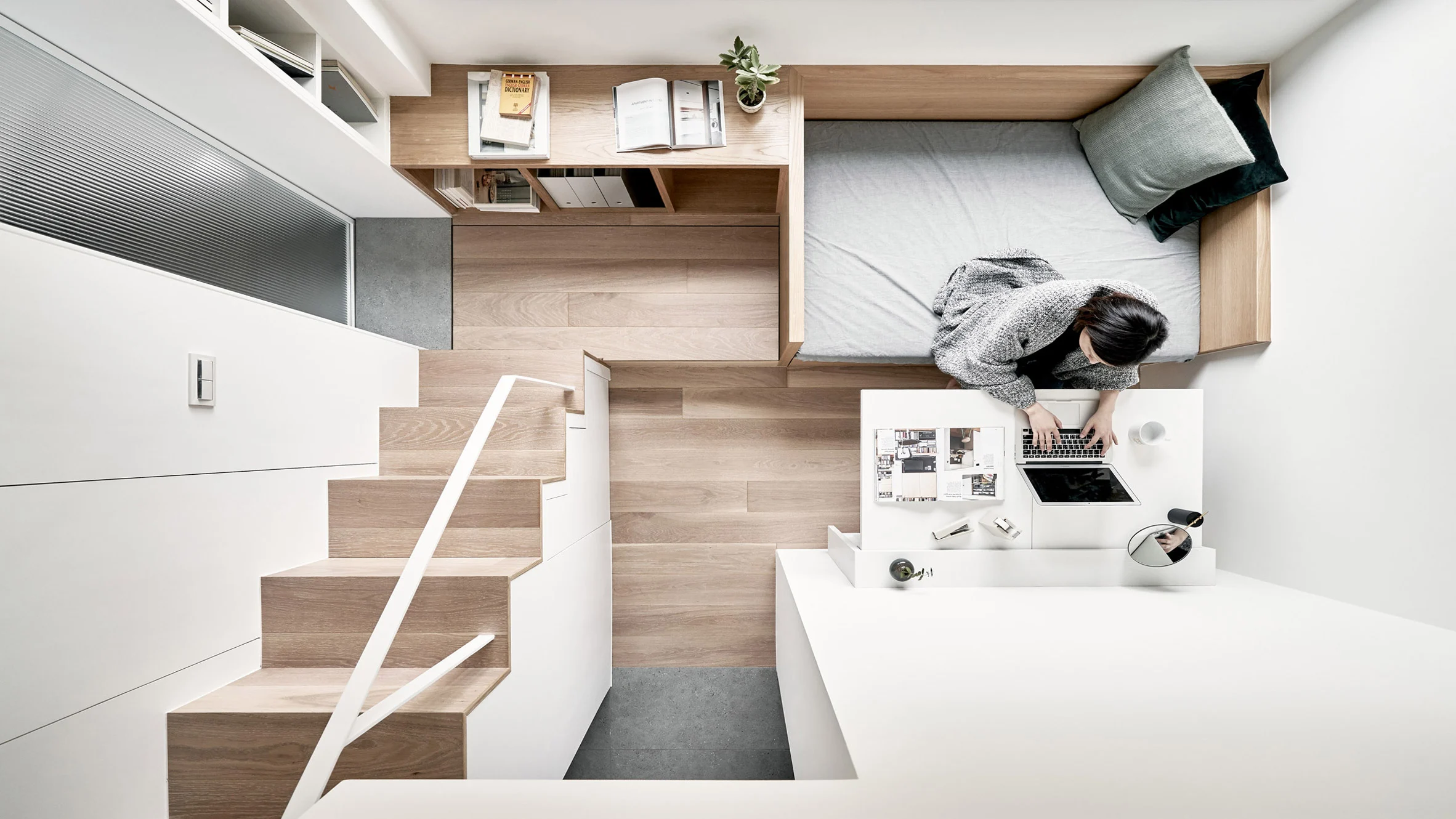
Urban areas are seeing a surge in compact living spaces under 400 sq ft. Meanwhile, co-living communities like Common offer private rooms with shared amenities, providing balance between solitude and community.
Solo Wellness and Mental Health Tools

From guided meditation apps to AI-powered companionship tools, people living alone are investing more in emotional and physical wellness. According to NielsenIQ, the solo wellness market saw a 31% growth in 2024 alone.
🔍 Reality Check:
While solo living offers unmatched independence, it also brings challenges—especially around mental health and loneliness. Experts urge the importance of building digital and local communities to stay connected.
✅ Takeaway:
Solo living is more than a housing trend—it’s a lifestyle choice rooted in empowerment, freedom, and self-care. As the world continues to evolve, this lifestyle is likely to become even more common—shaping industries from housing to hospitality.